
Scientist Profile
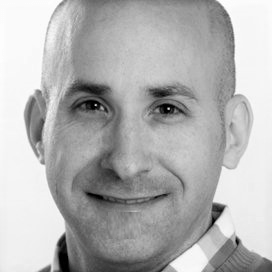
Name: Dr. Marc Véronneau
Occupation: Head of Immunology/Medical Affairs
Nationality: Canadian
Year of Birth: 1971
Random Fact: Cooked in one of the best restaurants in Montreal, Canada.
Bio
Prior to arriving in Singapore, I had been working in the Canadian pharmaceutical industry for more than 20 years. I started my career back in 1996 and have moved through a number of unique positions – from a basic scientist position to overseeing clinical trials and managing groups of highly skilled individuals in drug development or medical affairs. Since coming to Singapore, I have been overseeing the division of medical affairs of immunology across the JAPAC (Japan and Asia-Pacific) region for an American biopharmaceutical company.
Q&A
What got you into the field of science?
Since I was young, I’ve always been fascinated by the way things work, mechanically or physiologically. No surprise when I picked science over engineering when the time came to enroll in university. I soon realise that what I love the most was anything that had to do with laboratory experiment in either chemistry, biology, or physiology. I ended up combining all of these and enrolled in a master’s program in pharmacology followed by a doctorate.
What exactly do you do at work?
I’m responsible for the oversight of the immunology portion of the medical affairs division across JAPAC for my company. This implies working with the different affiliates in order to make sure that the trials or programs we are running are well aligned with their needs. My role could be seen as an internal consultant.
I work closely with different functions across the organisation including medical, regulatory, marketing and continuous health education. Some days I can be identifying gaps in our understanding of science that we should be addressing in order for patients to have better access to care. Another day, I can be giving a lecture on a specific topic to a group of scientists, health care professional, or regulatory bodies. My role also implies managing budgets and resources adequately, this means that on top of having a high level of scientific understanding, you also need to be well versed in finance and accounting.
What is really interesting in my role is that there is never a routine. Every day or week presents its own challenges which for me is great since I love having to adapt or reinvent what I do. This keeps me alert and requires me to be on top of what is happening in the different fields I work in.
What’s the coolest thing about your job?
The coolest thing about my job it is being able to have an impact on patients’ lives. I’m not a physician, and as a scientist, it’s usually hard to see what kind of impact you may have on a patient’s life when working in a laboratory. However, by working in collaboration with physicians, I am able to see or hear the impact we have directly on patients of some of the diseases we work on.
What are you currently working on?
Over my career, I’ve worked in most therapeutical fields except cancer. I’m presently working in the field of immunology and more specifically in IMID (immune-mediated inflammatory diseases). This includes diseases like rheumatoid arthritis, spondyloarthritis, psoriatic arthritis, psoriasis, Crohn’s disease, and ulcerative colitis. All of these diseases have a common denominator: they are all autoimmune diseases.
An autoimmune disease is a condition arising from an abnormal immune response to a normal body part (your body decides to attack itself). We don’t really know the cause of these diseases. Some may be genetic or triggered by an infection or environmental factor. So the work that we do consists of trying to see how can patients be better diagnosed with the development in better screening tool and referred to the correct specialist by making sure that specialists are up to date on the latest information that is available. For example, currently it can still take up to 10 years or more in some cases from the time the patient has his/her first symptoms to time a diagnosis is received. Our goal is to change that.
We also work on conducting clinical trials with either experimental substances (not yet approved for commercialization) or approved drugs (can be prescribed by a physician). We do all of this in collaboration with the scientific societies for the common objective of advancing our understanding of these diseases.
What are some of your interests other than science?
I love sports. Before coming to Singapore, I used to do triathlons (swimming, cycling and running) during the summer period and would ski almost every weekend during the winter months. During the off periods (spring or fall), I usually go hiking and camping. I was also a soccer coach for the last 5 years of an intercity club.
Do you have any advice to students that also want to become a professor/engineer/researcher?
Do something that you like, that engages you and that inspires your scientific curiosity (in this case). For people that would like to join my field of work, higher educational degrees such as M.Sc., Ph.D., Pharm.D., or a medical degree is usually required. With regards to some of the required soft skills:
- Being able to develop strong professional business relationship
- Strong communication skills that allow you to adapt to your audience
- Strong collaborative skills when working with others
- Being independent, well organized and structured, since several of these positions are field based, meaning that you are by yourself in working towards your objective
Lastly and most importantly, you need to have the passion for what you do. With passion, success will come. This is what will make you want to get out of bed no matter what every day.